
Institutional page

Demographic and health surveillance site

Historical overview of the Taabo Health and Demographic Surveillance System, a CSRS research platform.

Location and origins of the HDSS

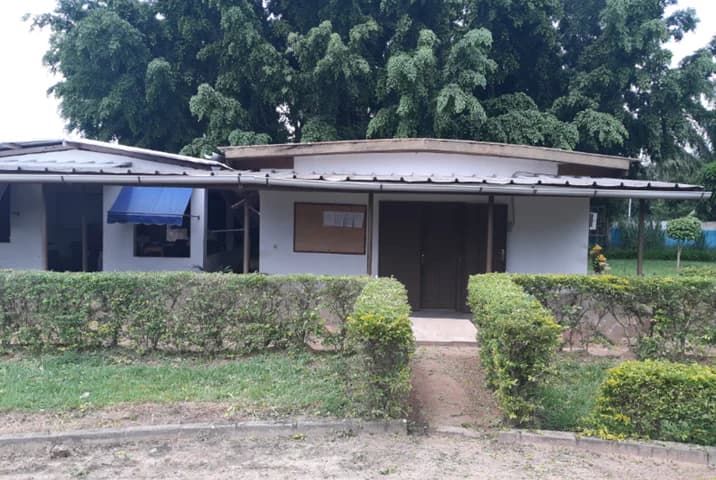
The Taabo Health and Demographic Surveillance System is a research station of the Centre Suisse de Recherches Scientifiques en Côte d’Ivoire, located in the south-central part of the country, approximately 150 km north-west of Abidjan. The HDSS began operating in early 2009; the area around the artificial Lake Taabo was selected for its eco-epidemiological characteristics.

Since its creation, research has focused in particular on the integrated control of water-related diseases, including schistosomiasis and malaria. The historical page states that the HDSS generated data on the impact of interventions targeting these diseases and other neglected tropical diseases.

The documented area covers a small town, thirteen villages and more than one hundred hamlets. At the end of 2013, the archive recorded 42,480 residents and 6,707 households under surveillance; verbal autopsies were conducted to determine causes of death.

Surveillance, surveys and interventions

Repeated cross-sectional epidemiological surveys covering approximately 5–7% of the population, together with haematological and parasitological surveys supported by questionnaires, were conducted. The HDSS provides a survey database, facilitates interdisciplinary research and surveillance, and serves as a platform for evaluating health interventions.

The platform continuously updates socio-demographic information on a population of more than 40,000 residents, mainly in rural areas. Its interdisciplinary team includes demographers, statisticians, database managers, field investigators and data-entry operators. Participation in routine surveillance is described as very high, sometimes exceeding 95%.

Links with the health system facilitate interventions and feedback to health authorities. The partnerships mentioned provide access to the laboratory of Taabo public hospital and to laboratories at CSRS, Université Félix Houphouët-Boigny and Swiss TPH in Basel.

The page also states that the site can host clinical trials assessing the efficacy and safety of anthelmintic drugs, as well as cost-effectiveness monitoring of interventions against neglected tropical diseases, malaria and broader public-health issues.

Research, training and data quality

The HDSS remained active during the socio-political crisis that continued until 2012, enabling research into its effects on internally displaced populations. The platform also supports teaching and training for master’s students, health professionals, doctoral researchers and postdoctoral fellows from diverse disciplines and cultures.

Documented quality-control mechanisms include regular supervision of field data, double entry by independent operators and successive internal-consistency checks.

Documented challenges and lessons

The archive identifies several challenges: long-term financial sustainability, under-use of the database for some analyses and comparisons with other INDEPTH network sites, and occasional difficulty collecting blood samples for specific projects.

Three pillars

The Taabo HDSS is presented as the first system of its kind in Côte d’Ivoire. It rests on three pillars: demographic surveillance, health interventions, and evaluation and scientific research to strengthen local evidence.

Located in a diverse socio-ecological system spanning rural and urban areas, the site supports research into infectious and chronic diseases, nutrition and lifestyles. Its historical speciality covers neglected tropical diseases—including lymphatic filariasis, schistosomiasis and soil-transmitted helminth infections—as well as water-related diseases.